The GROM Collection
In the charming town of Vransko, nestled in Slovenia’s “valley of green gold,” lies the GROM Motorcycle Museum — a living tribute to the spirit of motorcycling. This private collection celebrates the evolution of two-wheelers, tracing the milestones of both world and Slovenian motorcycling history.
The exhibition features more than 140 motorcycles — from iconic global brands to rare, one-of-a-kind machines. Among the highlights are pioneering Puch models from 1906 and 1912, the elegant ABC from 1919, and timeless classics from the 1920s such as Indian, Harley-Davidson, Praga BD, and Victoria. Visitors are often charmed by the art-deco Majestic 350 and the unique Ner-a-Car — a favorite among early women riders.
The 1930s come to life through machines like Ariel, BSA, AJS, Guzzi, and Gilera, alongside true gems such as the four-cylinder Indian 437, Böhmerland, and Standard. Each motorcycle tells a story of innovation, courage, and style.
Dedicated sections pay homage to racing motorcycles and military machines, showcasing their precision engineering and endurance. Beyond the bikes, you’ll find carefully curated displays of pre–World War II license plates, authentic riding gear, helmets, medals, stamps, posters, and other rare memorabilia that capture the soul of an era.
HALL 1
Explore the foundations of motorcycling history
General Introduction
Discover the beginning of our collection and the story behind the museum.
Harley Davidson
The legendary American motorcycle manufacturer and its impact on motorcycling culture.
Brief History of British Motorcycles
From BSA to Triumph - the golden age of British motorcycle manufacturing.
Janez Puch
The pioneering Austrian engineer and his revolutionary motorcycle designs.
Brief History of French Motorcycles
French innovation and art-deco elegance in motorcycle design.
Indian Motorcycles
America's first motorcycle company and its legendary machines.
HALL 2
Italian craftsmanship and Slovenian heritage
Brief History of Italian Motorcycles
The passion and engineering excellence of Italian motorcycle manufacturers.
Moto Guzzi History
The eagle of Mandello and its iconic horizontal cylinder engines.
Tomos Motorcycles
Slovenia's own motorcycle brand and its contribution to two-wheel history.
HALL 3
German precision and innovative designs
Brief History of German Motorcycles
German engineering excellence and innovation in motorcycle design.
Salsbury Scooter
American scooter innovation and urban mobility solutions.
Zündapp Motorcycles
German reliability and the famous green elephant motorcycles.
MZ Motorcycles
East German two-stroke technology and racing success.
The Motorcycles
Browse through our extensive collection of over 150 motorcycles, categorized by their purpose and heritage.


Auto-Wheel
Cycling was a popular pastime and relatively practical means of transportation approximately 40 years before the arrival of the Wall Autowheel in 1912. It consisted of a 118cc single-cylinder engine with an atmospheric intake valve and side exhaust valve, mounted in a subframe attached at three points to an everyday pedal bicycle, with this engine driving its own integrated wheel, effectively creating a tricycle. It was marketed by Auto-Wheels Limited. The Smith Motor Wheel and Briggs & Stratton Motor Wheel were developments of the Wall Autowheel. The company was supported by Arthur Conan Doyle, author of Sherlock Holmes.


Indian Scout
The Indian Scout of 1920, designed by Charles Franklin, helped define Indian's identity along with the Chief and Four models. The mid-weight Scout, which transcended its bicycle roots, featured a 37-cubic-inch (600 cc) V-twin with a three-speed gearbox, helical primary drive, and a reputation for durability. Removable cylinder heads came in 1925, followed by a 45-cubic-inch (750 cc) version in 1927. The 1928 Model 101 Scout became a classic for its speed and comfort. In 1934, the Sport Scout achieved fame on racetracks and in military service.


Mondial 175 TV - "turismo veloce"
Mondial, founded by the Boselli family after World War II, quickly became known in Grand Prix racing with its 1948 double overhead cam racer. The motorcycle won world championships in 1949, 1950, and 1951, and after a brief hiatus, Mondial returned to glory in 1957 with victories in the 125 and 250 cc classes. Its racing success influenced an excellently designed and distinctly Italian line of road motorcycles.


MONDIAL 220
The 1952 Mondial 220, also known as the Mondial 200, was a refined Italian roadster that combined racing pedigree with everyday usability. It was powered by a 175 cc single-cylinder overhead valve engine that produced approximately 12 horsepower and could reach speeds of up to 110 km/h. Weighing just 110 kg, the Mondial 220 featured a four-speed gearbox and a distinctive pressed steel frame. Its elegant design and engineering excellence reflected Mondial's racing heritage, making it a sought-after classic among enthusiasts.


Puch "N" Typ
These exceptional motorcycles were one of the last four-stroke models produced by the factory founded by Slovenian Janez Puh. The Puch company transitioned to a two-stroke engine design after the end of World War I with the "LM" model, which is also on display in the museum. It is believed that only two "N" type motorcycles exist today. These motorcycles won 1st prize at Villa D'Este in 2015.


B.S.A. "L" 349cc
The 1923 BSA Model L was the company's first production motorcycle with overhead valves, powered by a 349cc engine inspired by the Hotchkiss V-twin. A similar side-valve version shared the same motorcycle components. The Model L, praised for its sporting performance, received accolades in 1923 at the Scottish Six Days Trial and international races in Sweden.


Ariel "VG 32" 499cc OHV 4 valve
The new Ariel line, introduced in 1925 and designed by Val Page, was an instant success due to its attractive styling, lower seat, shortened wheelbase, and saddle tank. Sales grew dramatically under Victor Mole's influence, with 1927 figures ten times higher than 1925. Ariel's innovations continued with the 1931 four-valve VG 31 De Luxe model, which increased engine power and speed, followed in 1932 by four-valve models in both vertical and slanted configurations. Due to financial difficulties, Jack Sangster continued private production, but rationalization in 1933 ended the four-valve Ariels.


Douglass 350 CW
Douglas was unconventional in at least two respects. While their competitors almost universally produced single-cylinder or occasionally V-twin engines, Douglas opted for a horizontally opposed twin design; furthermore, their factory was located in Bristol instead of manufacturing motorcycles in the Midlands or London! Nevertheless, with the development and growth of the motorcycling movement in that feverish first quarter of the century, Douglas rose to prominence due to the popularity of these gentle, albeit unusual twins in today's classic circles.


Majestic 350
The Majestic 350 is a French motorcycle manufactured in the early 1930s, renowned for its art deco styling and innovative engineering. It featured a 350cc single-cylinder overhead valve engine and a distinctive rigid frame with pressed steel bodywork. The engine utilized a 3-speed manual gearbox and hub-center steering for precise handling. Lightweight and agile, it achieved a top speed of around 90 km/h and weighed approximately 150 kg. Only about 100 units were produced, making it a rare collector's piece. The Majestic 350 represents a blend of style and mechanical ingenuity characteristic of inter-war French motorcycles.


Indian 437 Sport
The 1937 Indian Four owes its design to William Henderson, who pioneered four-cylinder motorcycles in America with his Henderson and Ace models. After Indian acquired Ace in 1927, they adapted it using Scout components and created the first true Indian Four. In 1936, the "Sport Four" switched the intake and exhaust valves for better cooling, but this brought engine heat closer to the rider, making it notorious for discomfort.


Triumph STM 500
The Triumph STM 500 is a vintage German motorcycle from the 1930s by Triumph-Werke Nürnberg (TWN), powered by a 500cc single-cylinder OHV engine with a 3-speed gearbox, reaching a top speed of approximately 120 km/h. It is lightweight and versatile, making it a classic collector's model.


Puch "D" Typ
Johann Puch's factory in Graz began manufacturing bicycles in 1899 and soon expanded to motorcycles, automobiles, trucks, and engines. By 1912, they were producing 16,000 bicycles and 300 motorcycles annually. Puch, known for quality, supplied custom automobiles to the Austrian imperial family and the American market. The brand gained fame with its innovative split-single "twingle" engine, successfully competed in races such as the 1931 German Grand Prix, and developed the design for over 50 years.


Binachi "N"
The Bianchi "N" is a classic Italian motorcycle, known for its durable single-cylinder engine and refined craftsmanship from the early 20th century. Designed for reliability and smooth handling, it was suitable for both daily riding and longer tours. Due to its combination of performance and elegance, it became an outstanding model in the early history of Italian motorcycling.


Ner-A-Car "C" 350
During World War I, American Carl Neracher designed the Neracar, a motorcycle built like an automobile with a chassis frame, 221cc two-stroke engine, friction drive, and hub-center steering. From 1921 it was manufactured in England under the name Sheffield Simplex. Later models included the Model B (285cc) in 1923 and Model C (350cc Blackburne engine, conventional clutch and gearbox) in 1924.


Jawa 350 OHC
JAWA Motokov is a Czech motorcycle manufacturer founded in Prague in 1929 by František Janeček, who purchased Wanderer's motorcycle division. The first model had a 500cc engine and proved to be reliable. In 1932, the lighter and more affordable JAWA 175 was introduced with a 3.6 kW engine, top speed of 80 km/h, and low fuel consumption. The model was very successful, with over 27,500 units sold by 1946, and JAWA became known for innovations, including offering test rides at exhibitions.


IMME R100
The Imme R100, designed in post-war Germany, featured unique engineering with a single-sided front fork, rear leg serving as exhaust, and a 99cc engine with 4.5 HP. Production began in 1949 in Immenstadt, Bavaria, and reached approximately 12,000 units before the company closed its doors in 1951. Today it is a rarity, with fewer than 20 known examples in Germany.


Vassena
The Vassena motorcycle, developed by Italian inventor Pietro Vassena in Lecco in the 1920s, was a lightweight motoleggera with a small displacement two-stroke engine. Designed to be light, practical, and affordable, it represented Vassena's inventive spirit, but was produced only in limited numbers, making it a rare example of early Italian motorcycle history.


Moto Rumi "bicarburatore" 125
The Moto Rumi organization was established at the beginning of the twentieth century and originally supplied cast components to the textile machinery industry. At the outbreak of World War II, Rumi engaged in the production of weapons, miniature submarines, and torpedoes. After the war ended in 1950, Rumi decided to engage in the production of lightweight motorcycles. They also decided that the powertrain would be based on a horizontal two-stroke engine with a displacement of 125 cc.
B.D. 500
The BD 500, designed in 1926 by Jaroslav F. Koch for Breitfeld-Danek in Prague, was an advanced 500cc single-cylinder DOHC engine producing 15 HP. With modern chassis features and great racing success, it remained in production – despite company takeovers – until 1933, albeit in limited numbers.


Frera "E"
The Frera "E" is an Italian motorcycle from the early 20th century, manufactured by Frera in Tradate. It was known for quality craftsmanship and innovative engineering and was part of a series of models that contributed to Frera's reputation. Today, the "E" is a rare collector's item, with only a few examples preserved in museums.


Aermacchi Harley-Davidson Ala Verde 250cc
The Harley-Davidson Ala Verde, brought to the USA by the Aermacchi division, is a sportier evolution of the Sprint SS250 model. With a 2-valve OHV engine producing 18.5 HP and a 5-speed gearbox, it reaches speeds of up to 140 km/h while maintaining a Sprint-like style with racing lines and clip-on handlebars.


Victoria KR35
Victoria, founded in 1899, traditionally used engines from BMW, Sturmey Archer, and Horex. After World War II, they produced small two-stroke engines, but their 350cc V-twin with shaft drive from 1951, though advanced, was expensive and hindered the company's growth. Efforts to increase sales in the United Kingdom with mopeds were also unsuccessful compared to competitors like NSU.


Scott Flying Squirrel 596cc
Alfred Angas Scott, born in Bradford, began experimenting with two-stroke engines in the late 19th century and built his first complete motorcycle in 1908. Scott motorcycles, known for their light weight, power, and low center of gravity, gained fame through racing. The Flying Squirrel model, introduced in 1925, featured 498 and 596 cc engines, racing-inspired frames and brakes, and later touring upgrades including Brampton forks and a foot-operated gearshift.


Standard Rex 350
Standard, founded in Germany in the mid-1920s by Wilhelm Gutbrod – and at the very top of the market – then purchased the Swiss company Zehender in 1930, creating two production bases manufacturing various four-stroke single and twin engines, between 200 and 1000 cc, with JAP or MAG engines. By the late 1930s, they became responsible for their own 500 cc OHC engine, which exhausted through a pair of upward-pointing "question mark" exhausts. The expensive Rex's chassis was unique, as its long-wheelbase frame used a plunger-type swing arm at the rear and Castle-type forks with leading link at the front!


Gilera 500 VTGSEL "otto bulloni"
The Gilera 500 VTGSEL "Otto Bulloni" is a classic Italian sport-touring motorcycle from the 1950s, known for its durable 500cc single-cylinder engine and shaft drive. Its nickname "Otto Bulloni" (eight bolts) refers to the unique cylinder head design that improved reliability and ease of maintenance. Known for smooth performance and elegant Italian engineering, it remains a highly valued model among vintage motorcycle enthusiasts.
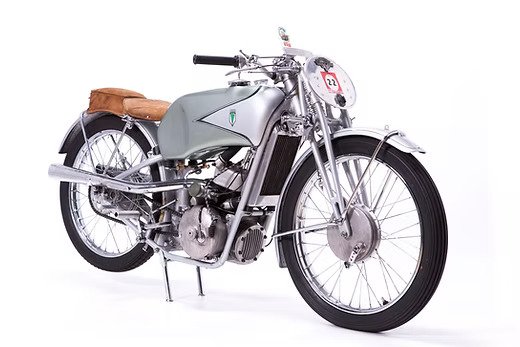
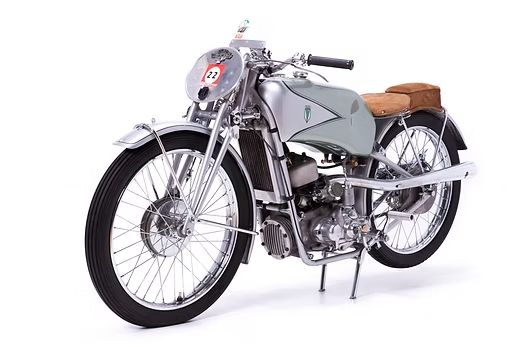
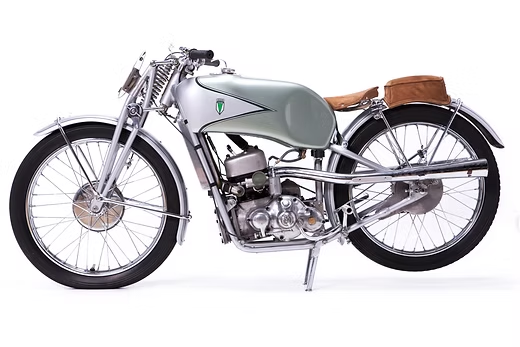
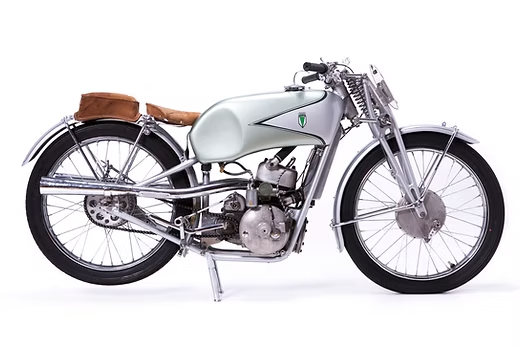
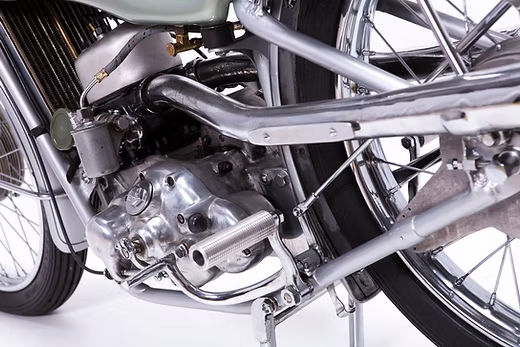
D.K.W SS 'ladepumpe'
One of a only a handful built racing motorcycles for private pilots in 1936. This machine features a water-cooled two stroke "blown" engine. Most of the brake and engine castings are made from magnesium. Not more than tree examples are in existence.
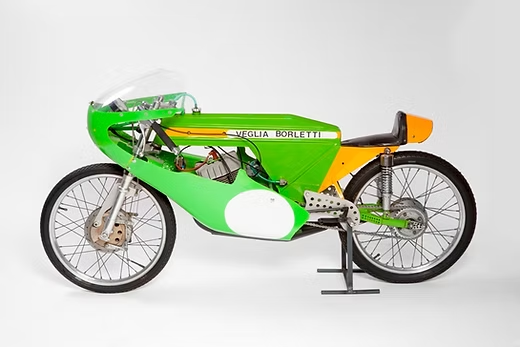
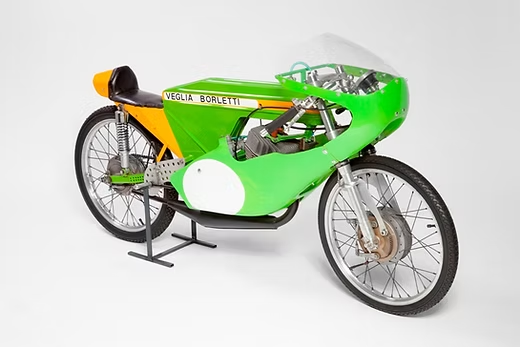
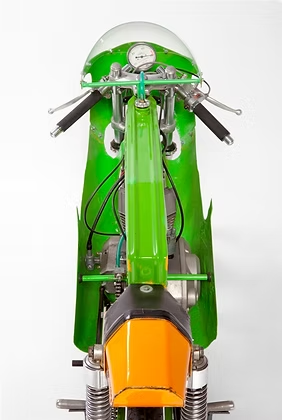
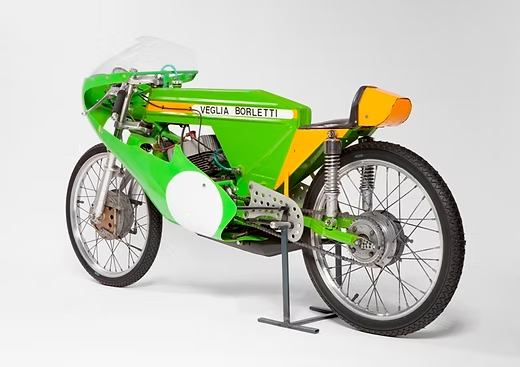
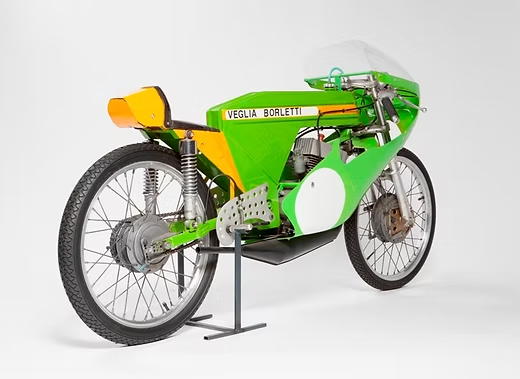
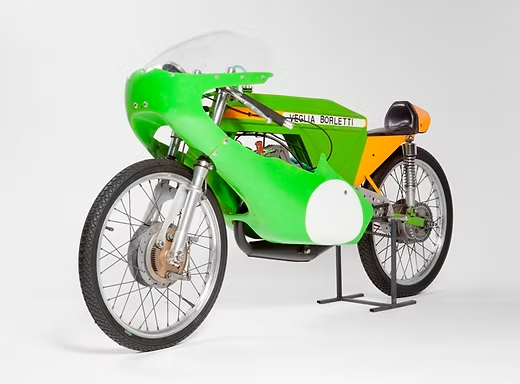
Minarelli Veglia-Borletti 125
The Minarelli Veglia-Borletti 125 is a classic Italian 125 cc racing motorcycle, built through collaboration between Minarelli, known for its high-performance engines, and Veglia-Borletti, a renowned maker of precision instruments. It features a lightweight frame, minimal bodywork, and a vintage racing design typical of 1970s Italian craftsmanship.
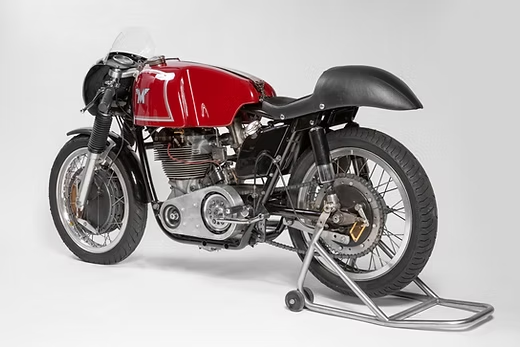
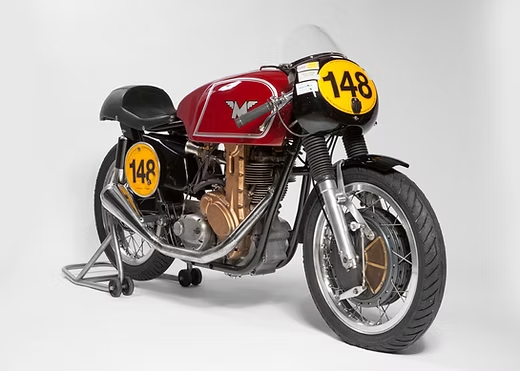
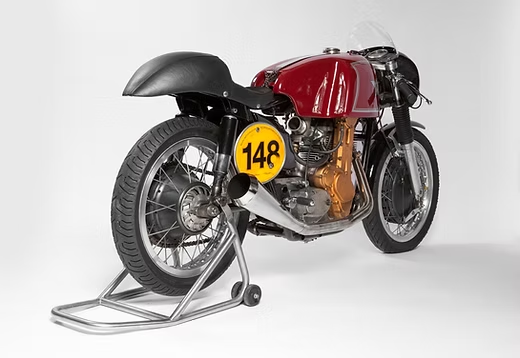
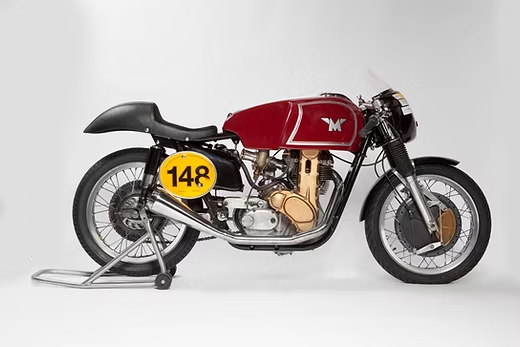
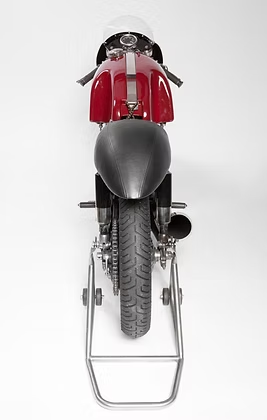
Matchless G50
The Matchless G50 is a 496 cc single-cam racing motorcycle, introduced in 1958 as a “big brother” to the AJS 7R. Lighter and simpler than its rival, the Norton Manx, it enjoyed success in international road racing and remains popular in vintage racing today.
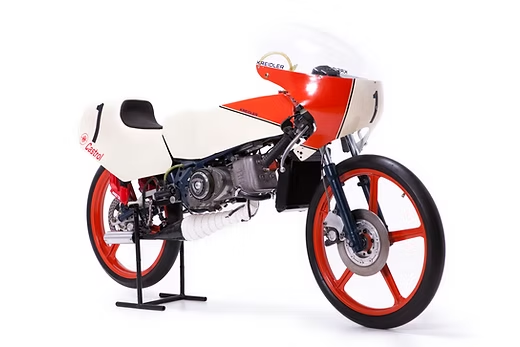
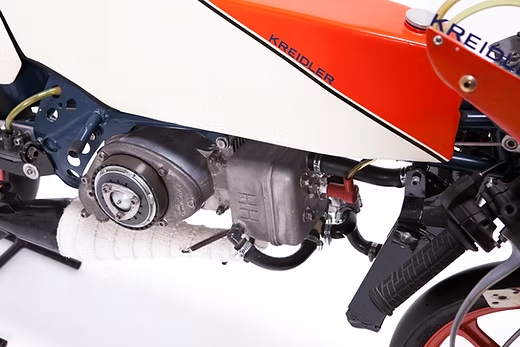
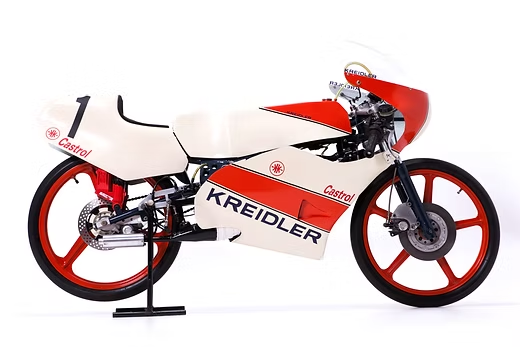
Kreidler Hans Hummel
The Hans Hummel Kreidler was a force to reckon with in the 50cc GP class in the 70'ies. This motorcycles is preserved in original conditions and is only one of four racing machines made entirely my Hummel in 1975.
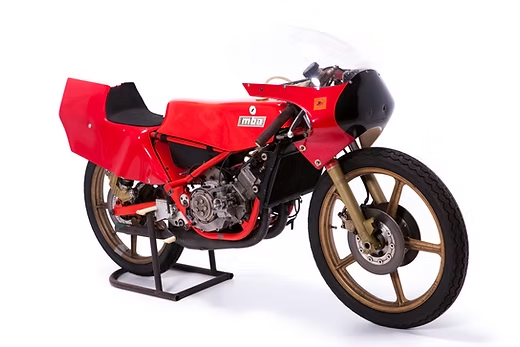
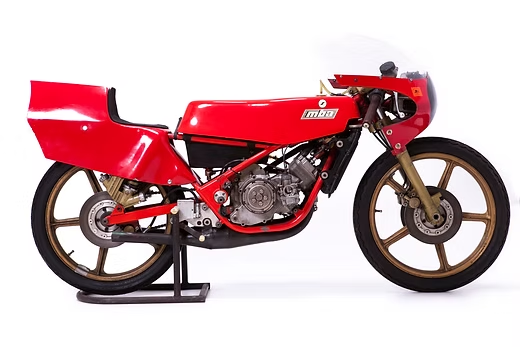
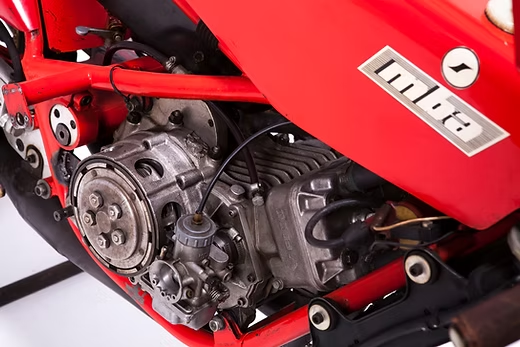
MBA 'carter Ferrari' 125 1976
The famous Italian pilot Luigi Rinaudo (he used to race for the TOMOS factory with Gilberto Parlotti) was given this motorcycle by the factory. MBA or Morbidelli Benelli Armi, started production of GP motorcycles with this model. Today the "carter Ferrari", named like this because the engine blocks were fused by the Ferrari foundry, are the most sought after by collectors. Only a few remains in existence and this is the only one in original conditions.
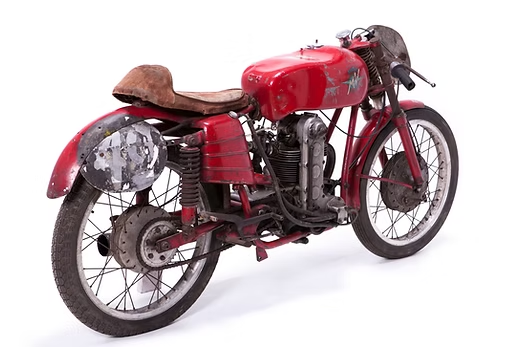
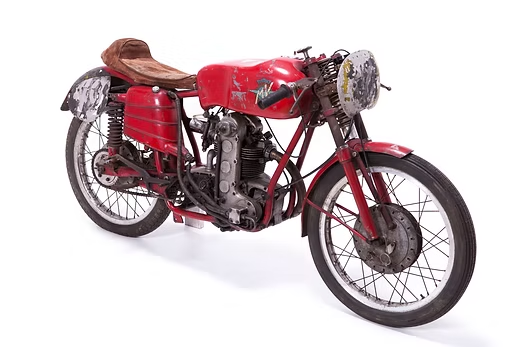
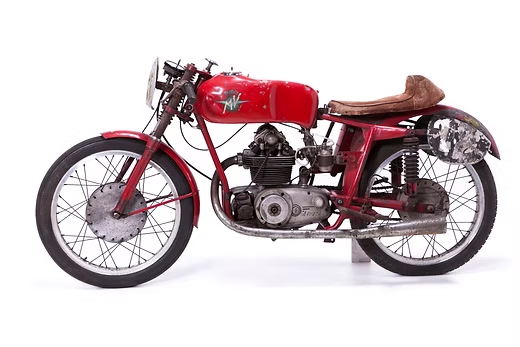
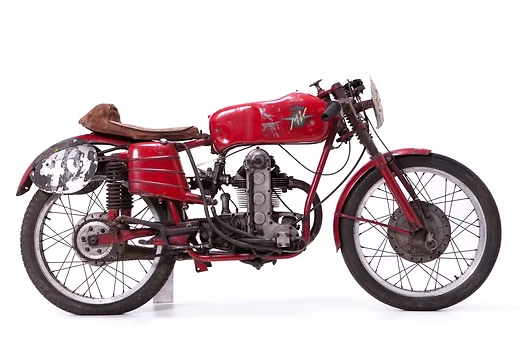
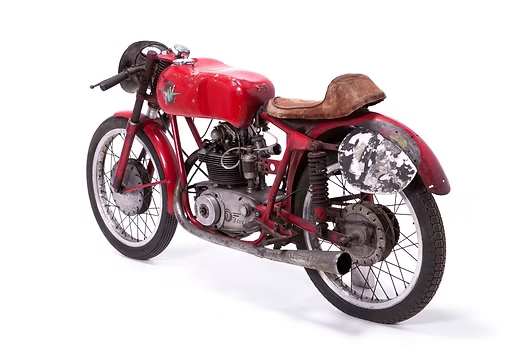
MV Agusta 125 'monoalbero'
First seen at the Milano MotoShow in 1952 the "monoalbero" substitutes the obsolete 125 two stroke competition model. Produced as an answer to the OHC single cylinder Mondial the MV showed its potential in noumerous races. Mike "the bike" Hailwood brought it to one of the great victories in 1957 at Blandford. The MV "monoalbero" retired after 399 victories, 4 italian championship victories and 10 international. The MV from the museums collection is one of not more than 30 still remaining and probably only one of few in beautifull original preserved conditions.
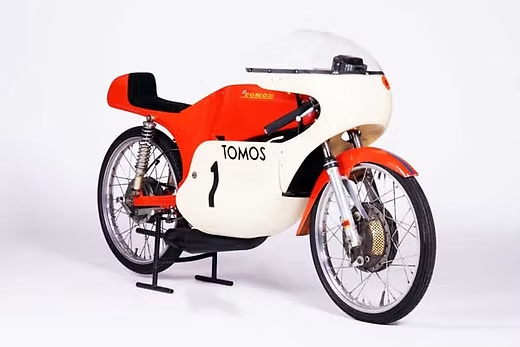
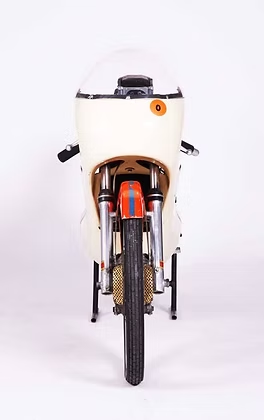
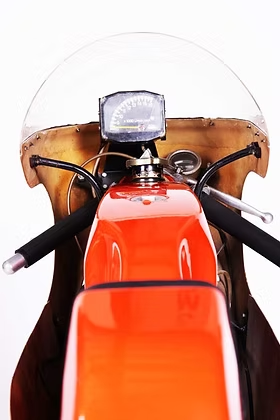
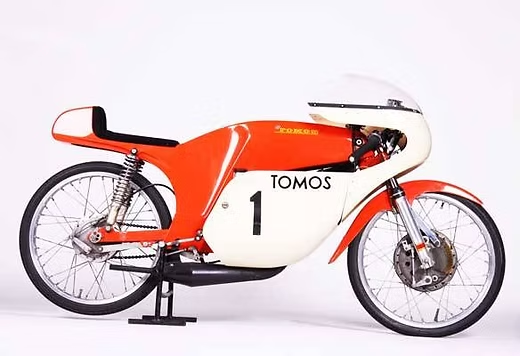
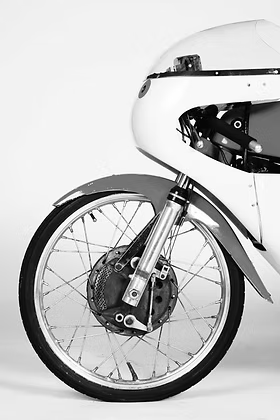
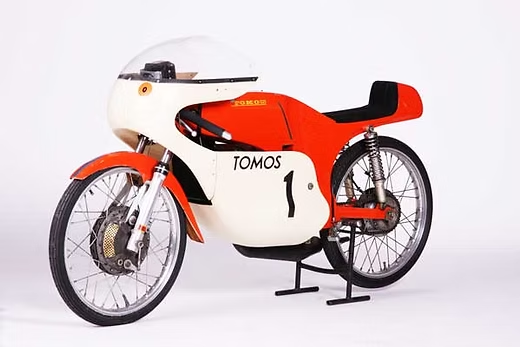
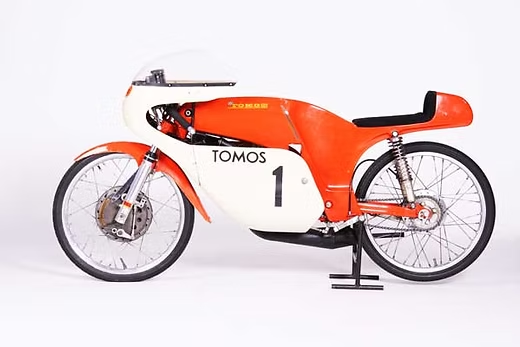
TOMOS GP71 prototype
The TOMOS GP71 prototype is a rare 50 cc Grand Prix racing motorcycle developed by the Slovenian manufacturer TOMOS in the early 1970s. Designed for competitive lightweight racing, it featured a small-displacement, high-revving engine and a minimalist, race-focused frame typical of GP machines of the era.
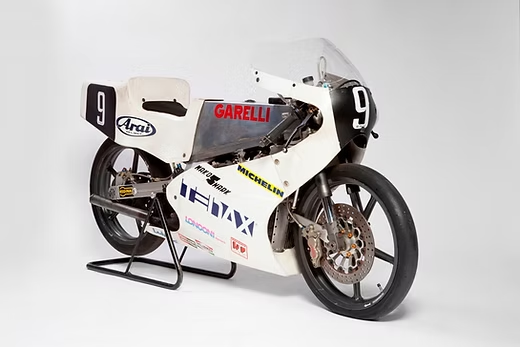
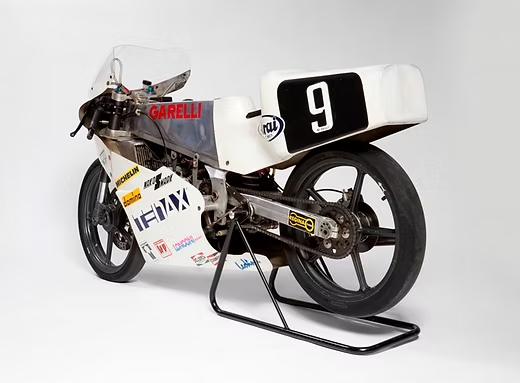
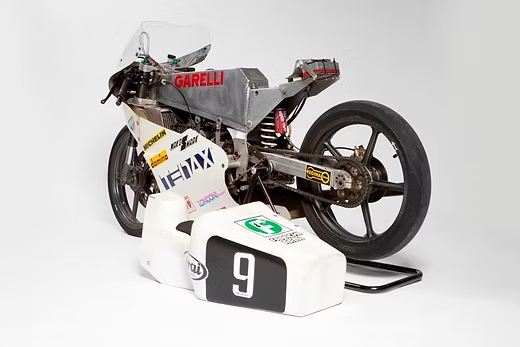
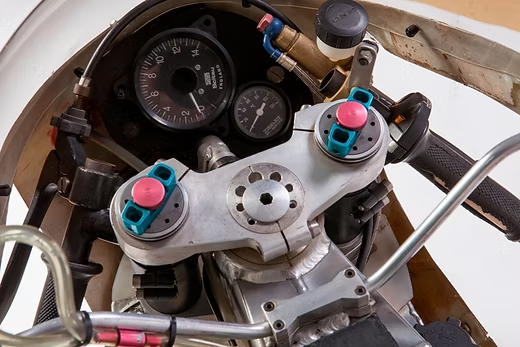
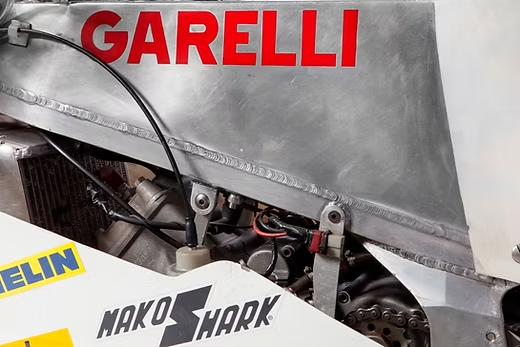
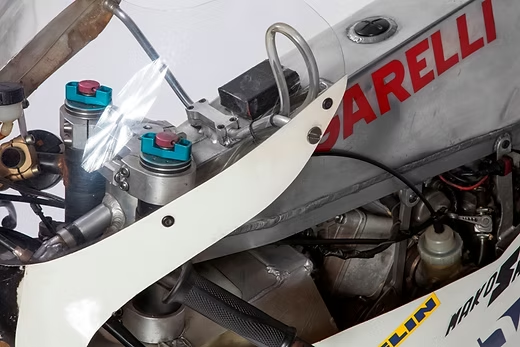
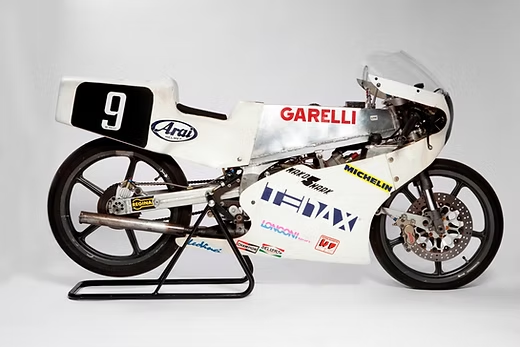
Garelli 125 Grand Prix
Garelli's single-cylinder 125 racer featured various alternative suspension and braking arrangements during the course of its development and '002' incorporates an un-braced swinging arm, 'upside-down' front fork and single Brembo front disc brake with 4-piston calliper (a braced swinging arm, 'right-way-up' fork and twin discs were tried also) This Garelli was ridden by American Allan Scott, who scored Garelli's final World Championship point courtesy of his 15th place at the Salzburgring, Austria in June of that year.
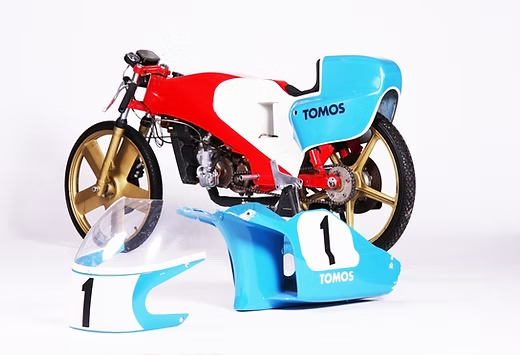
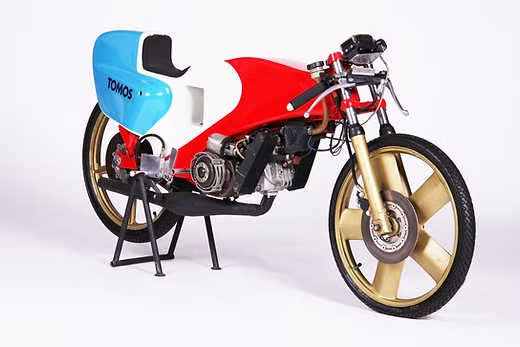
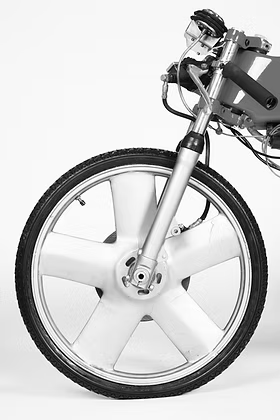
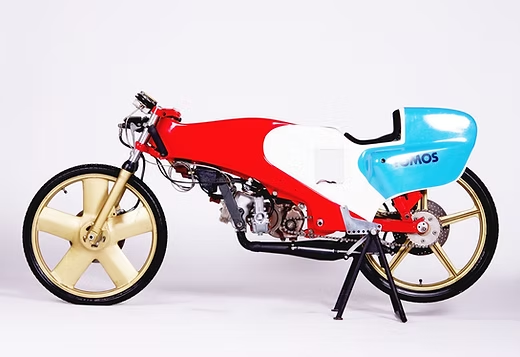
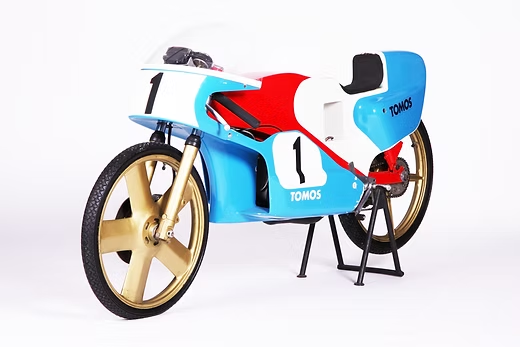
TOMOS DMGP 'record breaking 204km/h'
The TOMOS DMGP is a high-performance 50 cc racing motorcycle from Slovenia, famed for setting a record speed of 204 km/h. Built for Grand Prix competition, it combined a lightweight frame with a finely tuned engine optimized for top-speed performance.
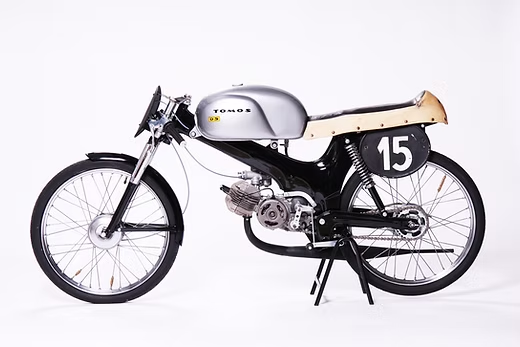
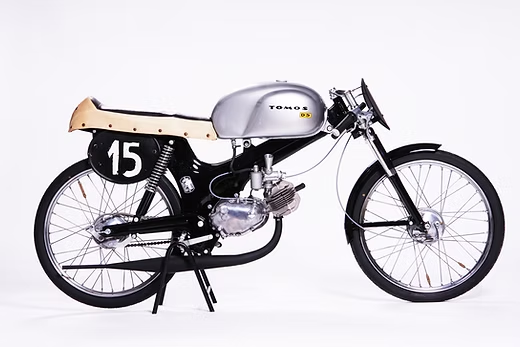
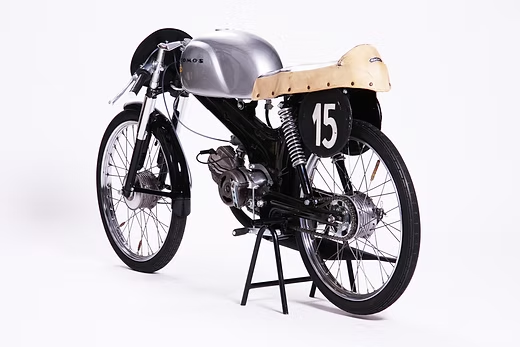
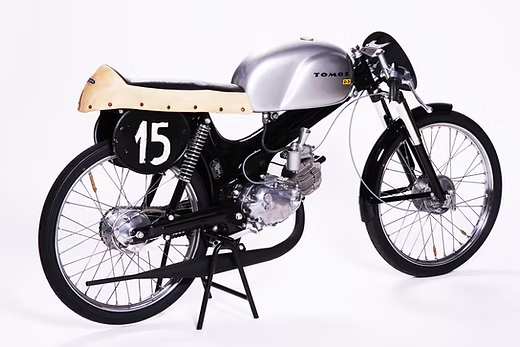
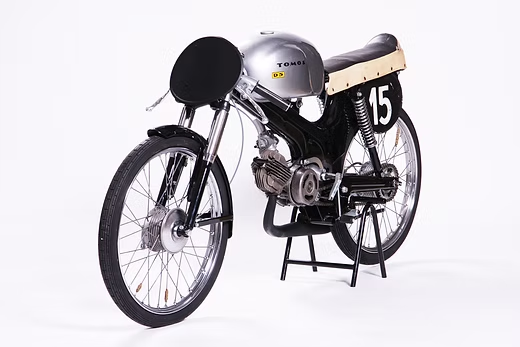
TOMOS D5 serija I
The TOMOS D5 Serija I is a 50 cc moped produced by the Slovenian manufacturer TOMOS. Designed for everyday urban and light rural use, it features a simple, reliable two-stroke engine, lightweight frame, and classic 1970s moped styling, making it popular for practical transportation and beginner riders.
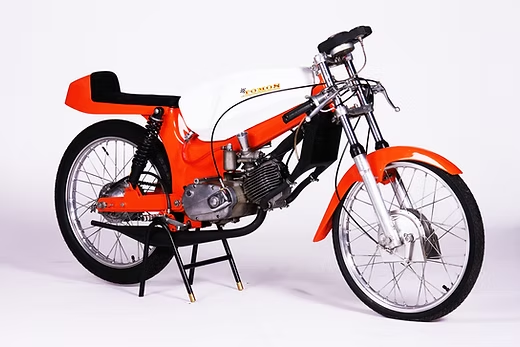
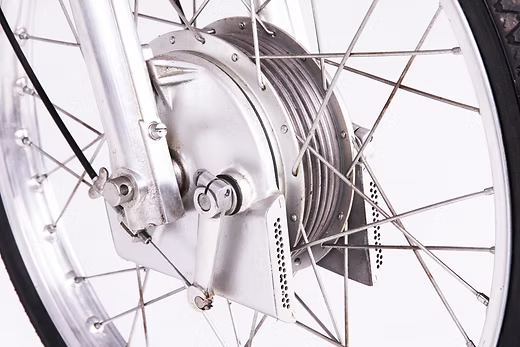
TOMOS D6
The TOMOS D6 is a 50 cc moped from Slovenia, produced by TOMOS in the late 1970s and early 1980s. It features a reliable two-stroke engine, lightweight frame, and practical design, aimed at everyday commuting and easy handling for beginner riders.
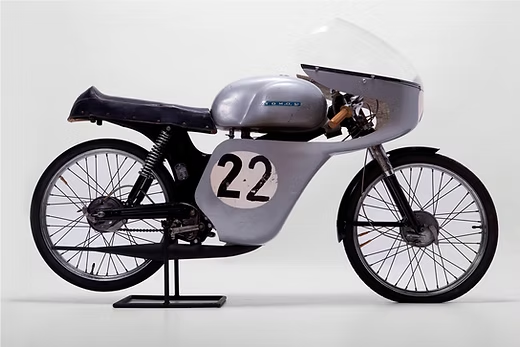
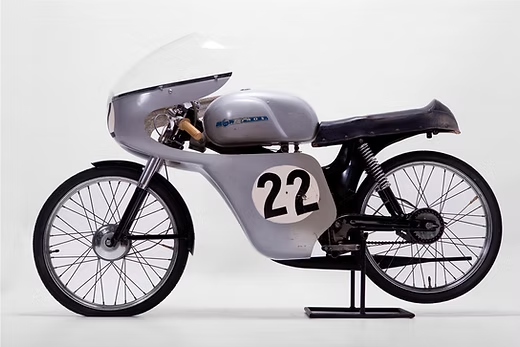
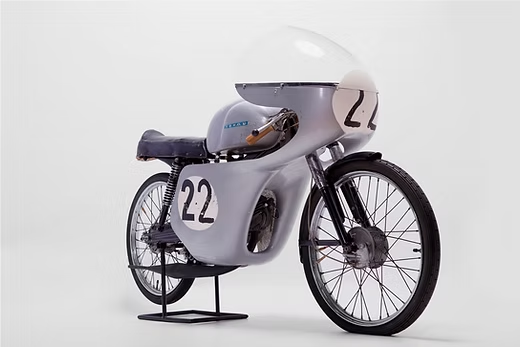
TOMOS D5 serija II
The TOMOS D5 Serija II is a 50 cc moped from Slovenia, an updated version of the original D5 series. It retains the lightweight frame and simple two-stroke engine but features minor design and performance improvements, making it practical and reliable for daily commuting and beginner riders.
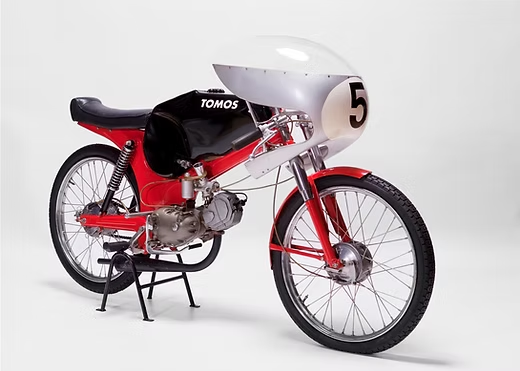
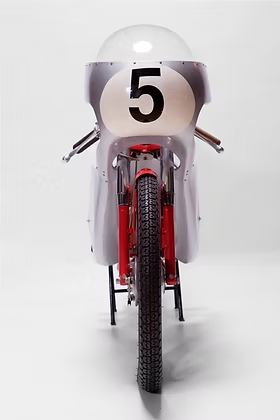
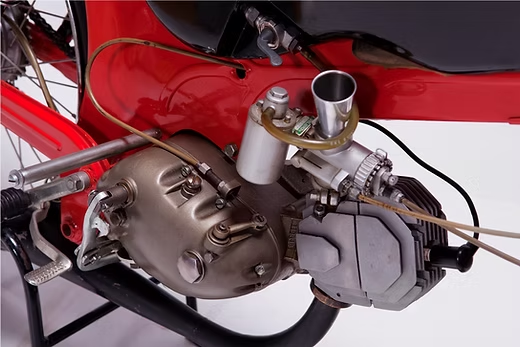
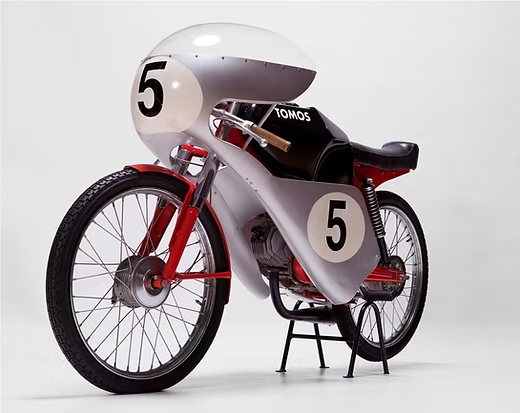
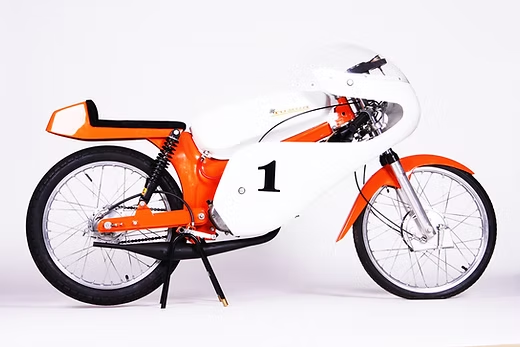
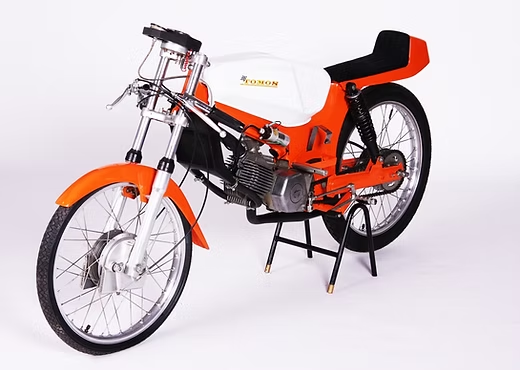
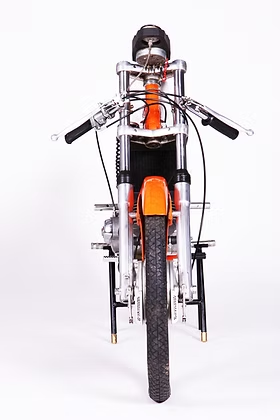
TOMOS D5 factory racer
The TOMOS D5 Factory Racer is a high-performance 50 cc racing moped developed by the Slovenian manufacturer TOMOS. Built for competition, it features a tuned two-stroke engine, lightweight racing frame, and performance-focused components designed for speed and agility on the track.
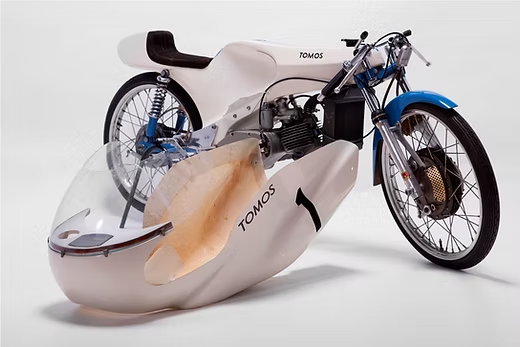
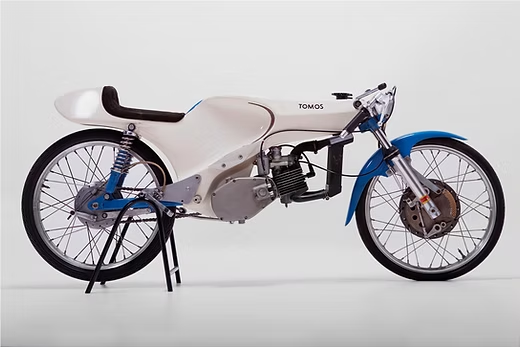
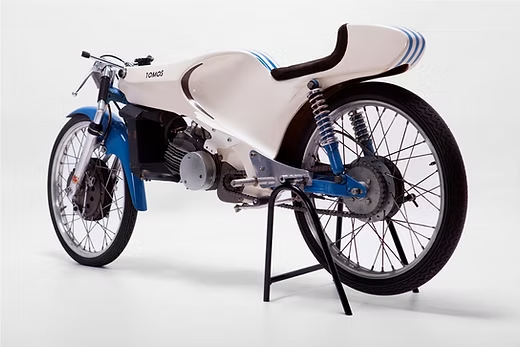
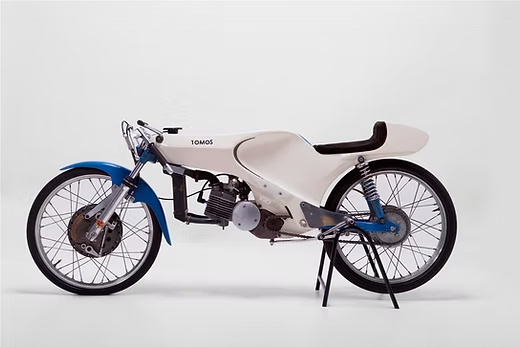
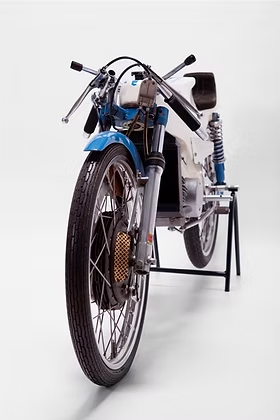
TOMOS GP72 prototype
The TOMOS GP72 prototype is a rare 50 cc Grand Prix racing motorcycle developed by the Slovenian manufacturer TOMOS in the early 1970s. Designed for competitive lightweight racing, it features a high-revving two-stroke engine and a minimalist, race-focused frame typical of prototype GP machines.
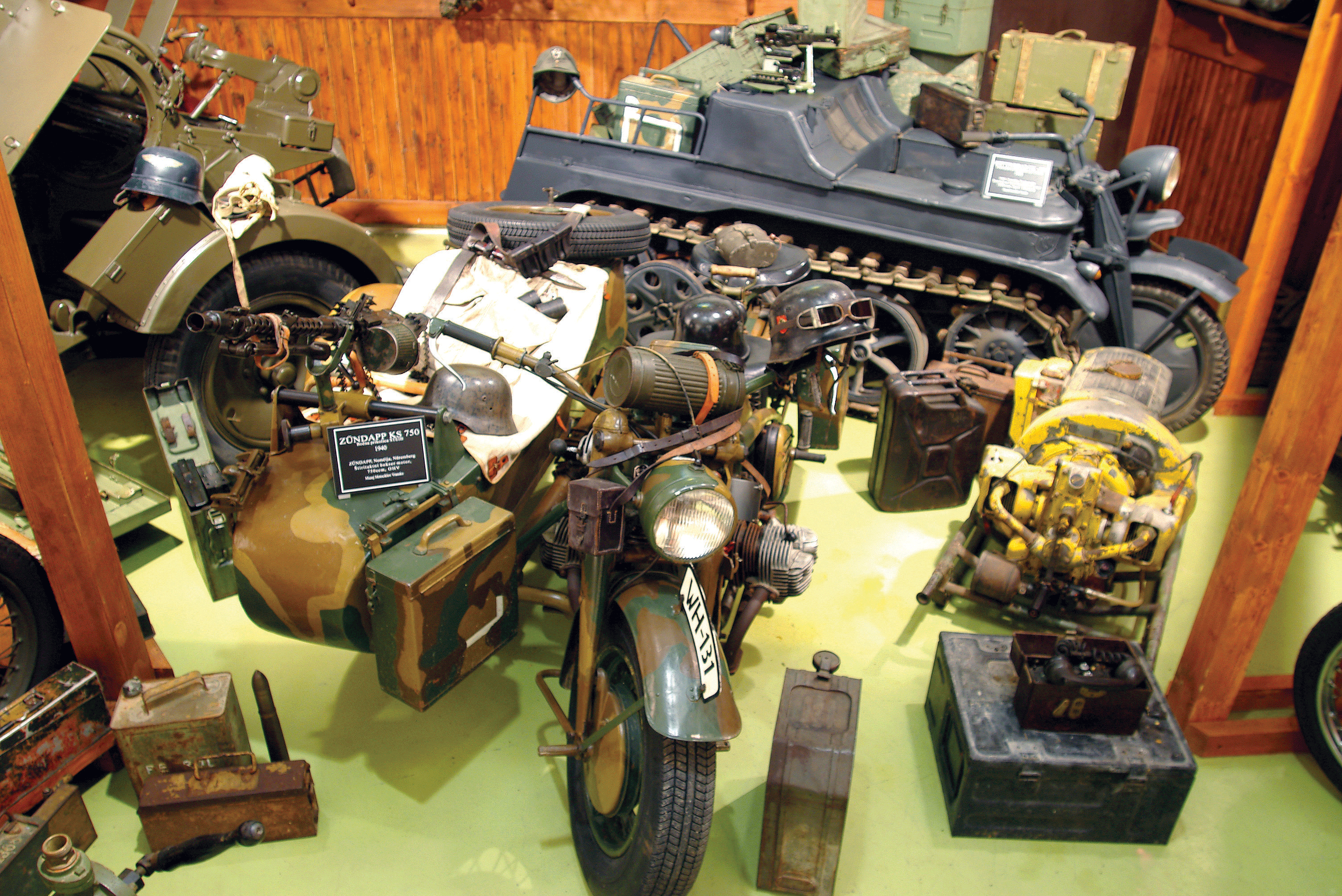
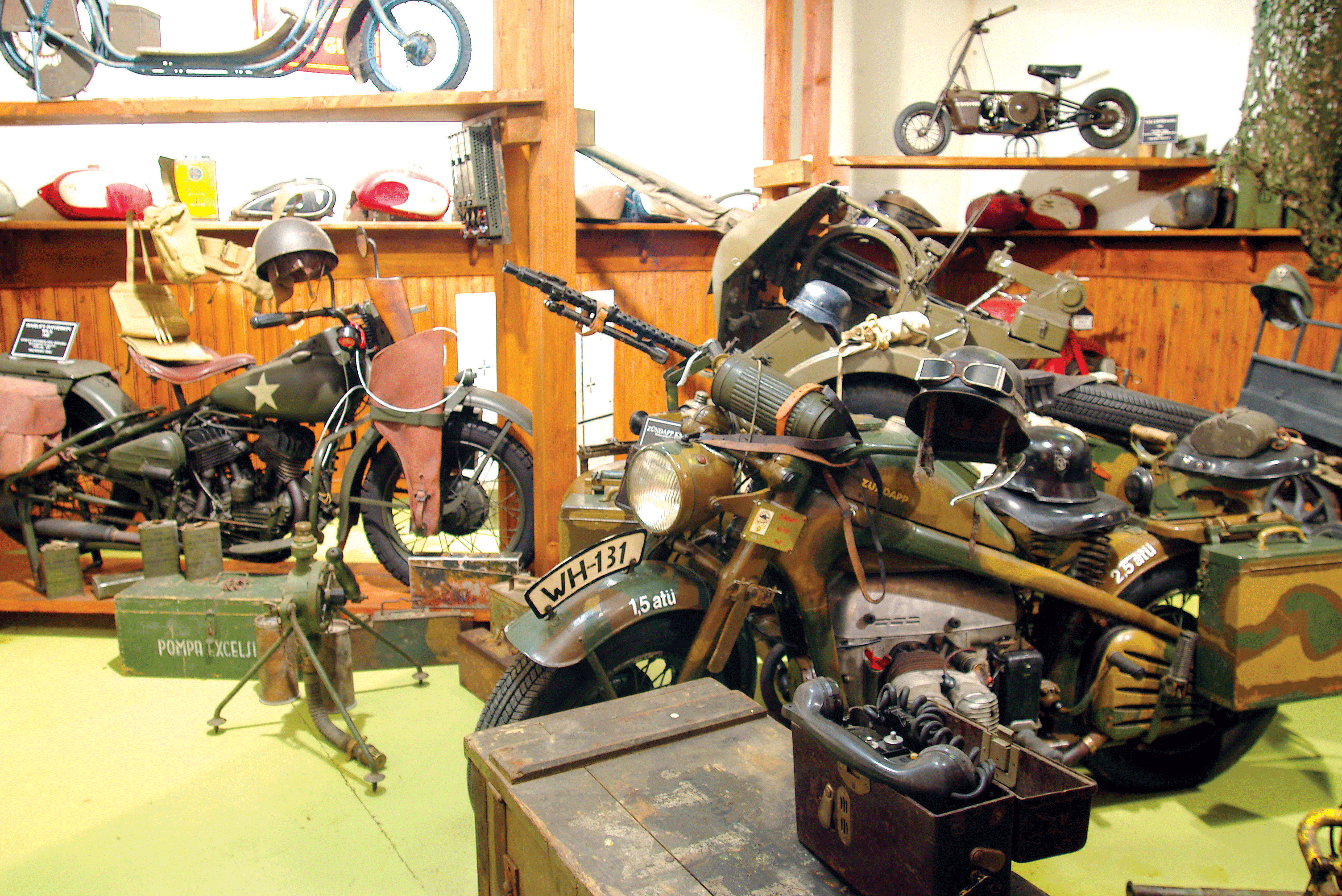
Vojaški
Welbike Villiers (paratroopers bike)
Harley- Davidson WLA
NSU
Kettenkraftrad HK-101 with flak
Moto-Guzzi Alce
NSU Pretis (Yugoslavian army outfit)
Zundapp KS750 with MG34
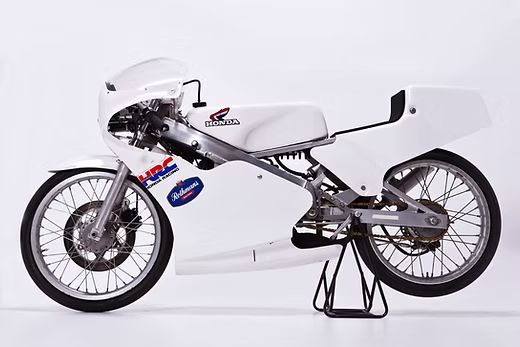
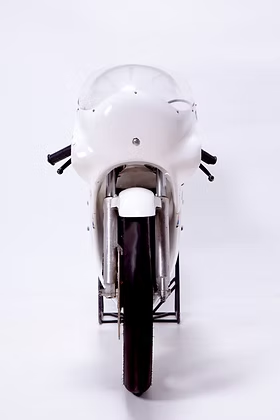
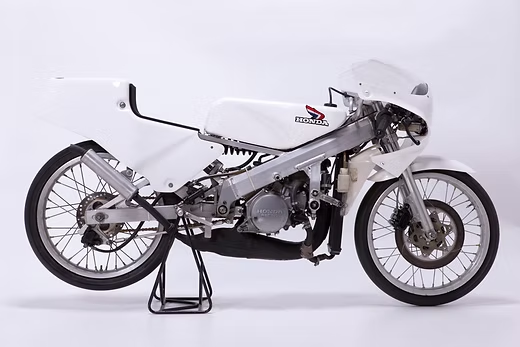
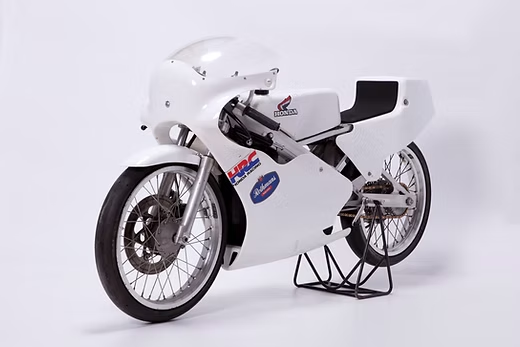
HONDA 125 HRC
The Honda 125 HRC is a 125 cc Grand Prix racing motorcycle developed by Honda Racing Corporation (HRC). Built for lightweight class competition, it features a high-revving two-stroke engine, race-focused chassis, and advanced engineering typical of Honda’s GP racing machines.


Motosacoche C35 350 MAG
In 1899, Swiss brothers Henri and Armand Dufaux created a small four-stroke engine that could be mounted on a bicycle, leading to the birth of Motosacoche. The company soon began producing larger twin engines and complete motorcycles, while also supplying engines to manufacturers throughout Europe, including licensed production in France and Italy.


Miller Balsamo
Miller Balsamo was an Italian motorcycle brand founded in Milan in 1921 by Ernesto and Edgardo Balsamo. Initially they imported Excelsior and Ariel, but soon began producing their own motorcycles, from 98cc to 498cc, including two-stroke and four-valve engines. The company continued limited production during and after World War II, adding smaller models and a moped in 1957 before closing its doors in 1959.


Ariel mod. "C" 500 OHV
Ariel's design department was blessed with an abundance of talent as the Selly Oak company entered the 1930s, with chief designer Val Page having both Edward Turner and Bert Hopwood under his wing. Ariel's offering at that time encompassed an astonishing variety of models: vertical engines, slanted engines, side-valve engines, overhead-valve engines - two or four per cylinder - all were represented alongside Turner's revolutionary Square Four model. However, it was Page who laid the foundations of Ariel's four-stroke single-cylinder range in 1926, moving the magneto behind the engine in 1927 and thus defining the form in which the engine survived for the next 30 years.
A challenge for motorcycle enthusiasts!
Answer 10 questions and win an exclusive prize